Once Upon a Time in Hollywood...
Another day, another leadership lesson from pop culture…
Director Quentin Tarantino recently sat down with author Bret Easton Ellis for a sprawling podcast conversation about filmmaking – in particular the Top Ten Films of the 21st century.
Tarantino is known for being provocative.
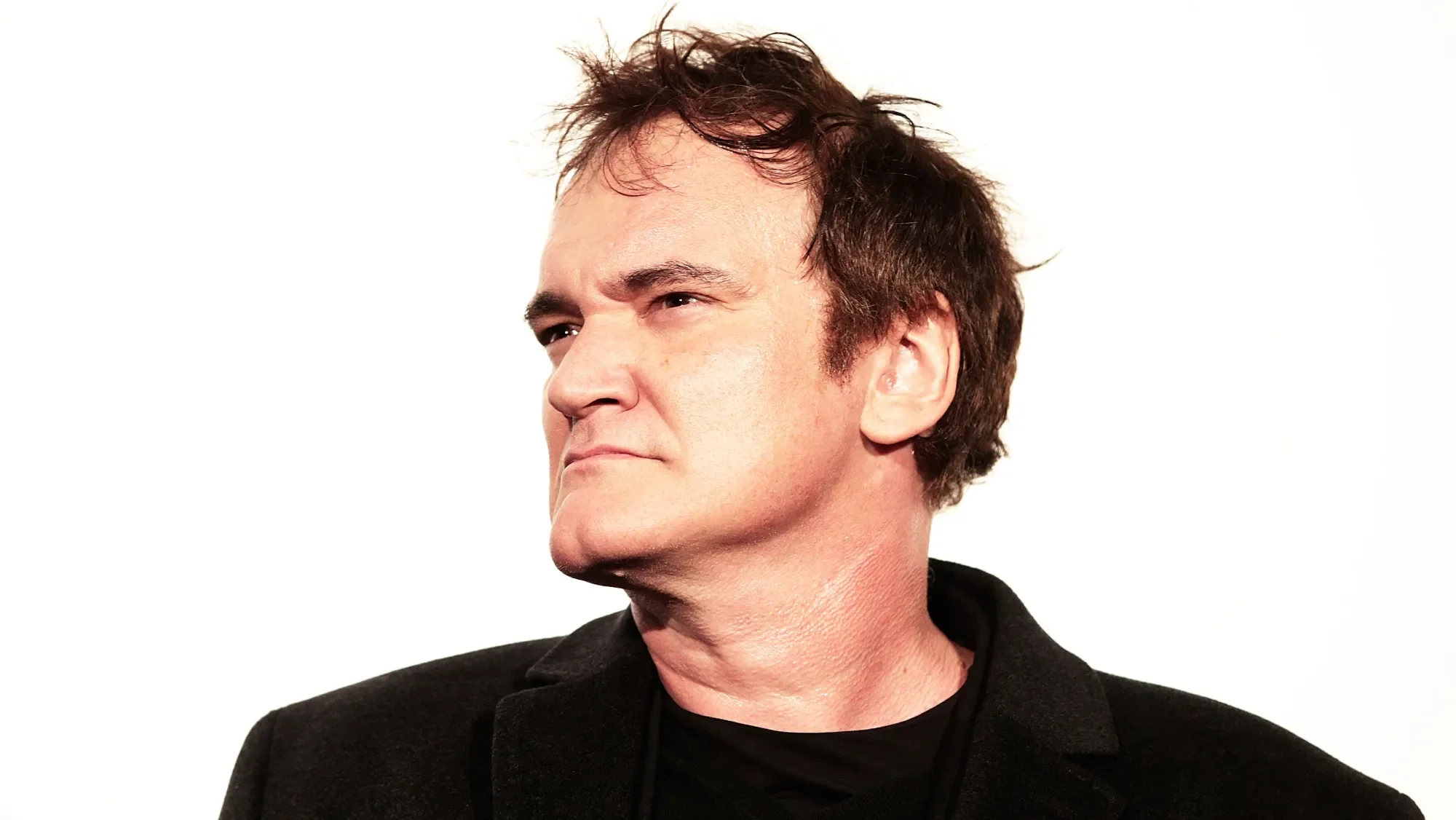
Credit: Adam Pretty (Getty Images)
He likes to stir, poke, prod – and occasionally detonate.
But it wasn’t his film choices that made headlines after this podcast was released.
It was the actors he chose to disparage.
And I’m not talking about the stars.
He didn’t pick on Tom Cruise or Brad Pitt.
Instead, he saved most of his vitriol for character actor Paul Dano.
Really, Quentin? Paul Dano?
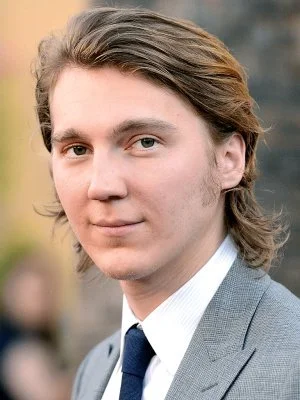
Dano is a respected working actor, though certainly not a marquee name.
But Tarantino took issue with Dano’s performance in There Will Be Blood, where he had to act opposite one of (if not the) greatest male actors of our time, Daniel Day-Lewis.
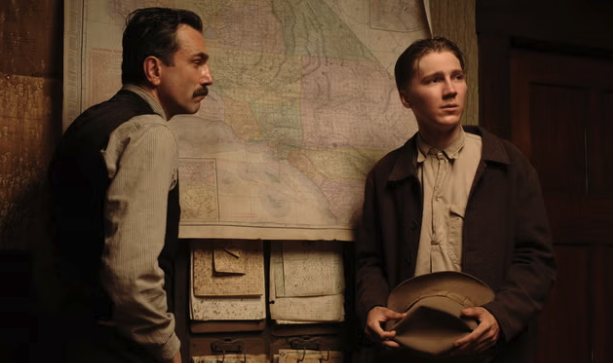
Day-Lewis and Dano in There Will Be Blood
Tarantino called Dano “weak sauce,” “the weakest male actor in SAG,” and (yes) “the limpest dick in the world.”
Then just for good measure, he went on to say he “didn’t care for” Owen Wilson or Matthew Lillard either – dismissing all three in one breath.
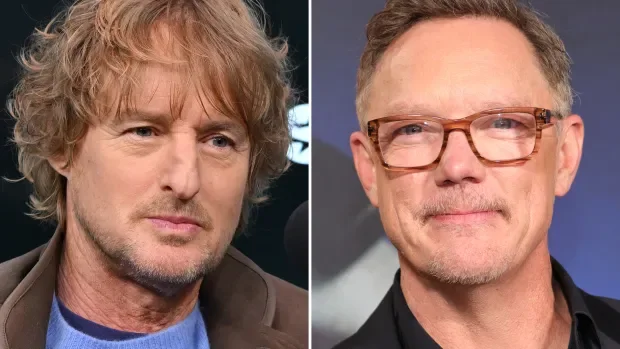
Owen Wilson and Matthew Lillard were also on the receiving end of Tarantino’s wrath
And when I read about this, I had one question:
Why?
Why this trio?
And why this way?
These are not the guys who stole your girlfriend.
They aren’t richer or more famous.
Dano especially feels out of place in this list.
This is the sensitive guy from the sweet Little Miss Sunshine – not the one who played a frat boy in Wedding Crashers or who goofed around with Scooby Doo.
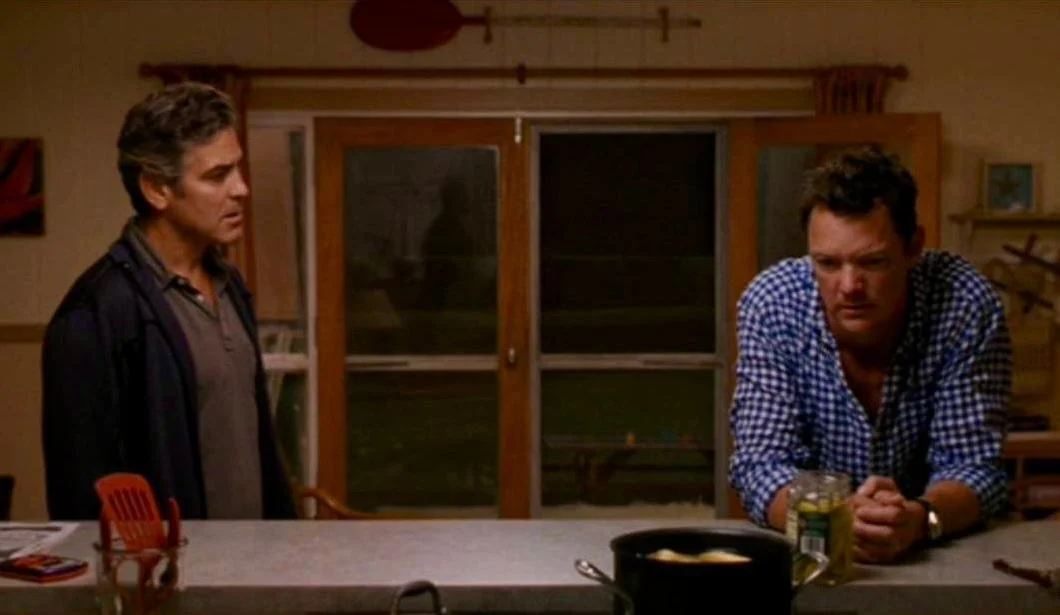
Matthew Lillard played a dramatic role opposite George Clooney in The Descendants
But when Tarantino chose to single them out, it reminded me of the responsibility that comes with power.
And the power that comes with words.
As a successful director, Tarantino’s words – good or bad – can make a difference to someone’s confidence.
Their career.
Their livelihood.
It’s a responsibility to be taken seriously – because as Uncle Ben taught us, “With great power comes great responsibility.”
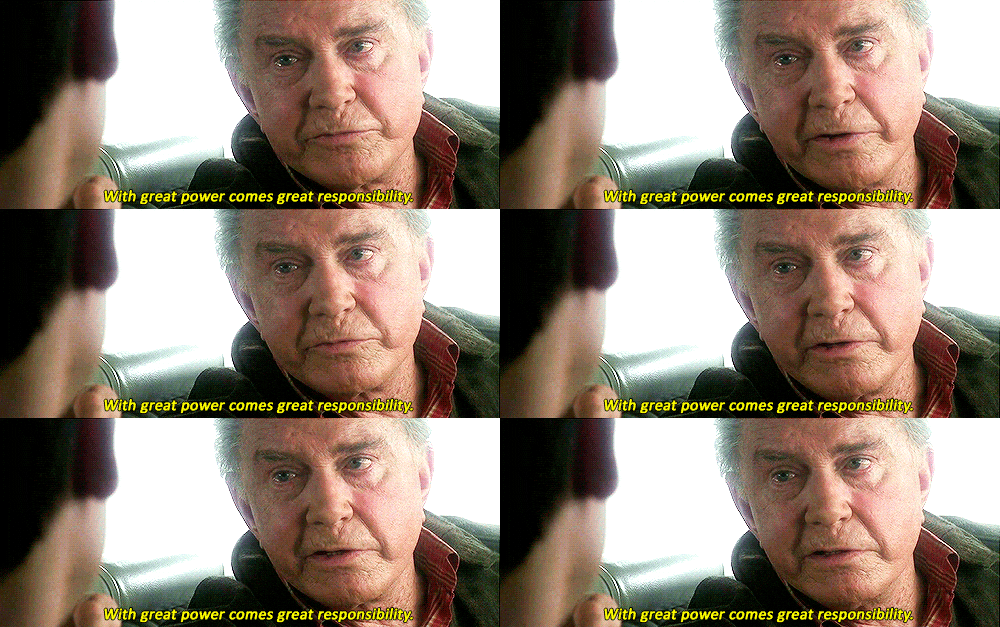
But what came next felt like it was ripped from a Hollywood script.
Other directors – and actors – came to Dano’s defense.
Ben Stiller wrote on Twitter, “Paul Dano is f–ing brilliant.”
Director Matt Reeves added, “Paul Dano is an incredible actor, and an incredible person.”

Reese Witherspoon wrote, “Paul Dano is an incredibly gifted, versatile actor. More importantly, he is a gentleman.”

And director Paul Feig wrote, “Call me old fashioned but I don’t believe artists should criticize other artists publicly. And for the record, Paul Dano is an amazing actor.”
While Dano has yet to respond publicly, Lillard spoke about it during an event at GalaxyCon in Columbus, Ohio last weekend.
Though Lillard has been a working actor for three decades, he’s better known for playing the goofy sidekick to Scooby Doo than his more dramatic turn in The Descendants.
And when he spoke about Tarantino’s remarks, he responded not so much with anger, but with pain.
“I’m not very popular in Hollywood,” he said.
“And so, you know… it’s humbling. And it hurts.”
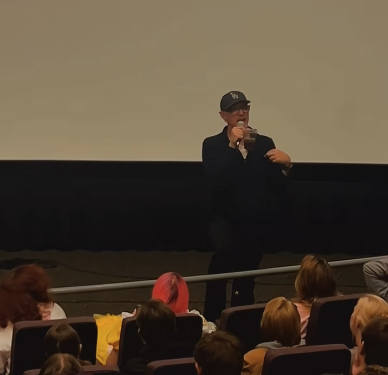
Lillard speaking to a group at GalaxyCon (December 2025)
There’s something devastating about that admission.
Because it’s believable that he meant it.
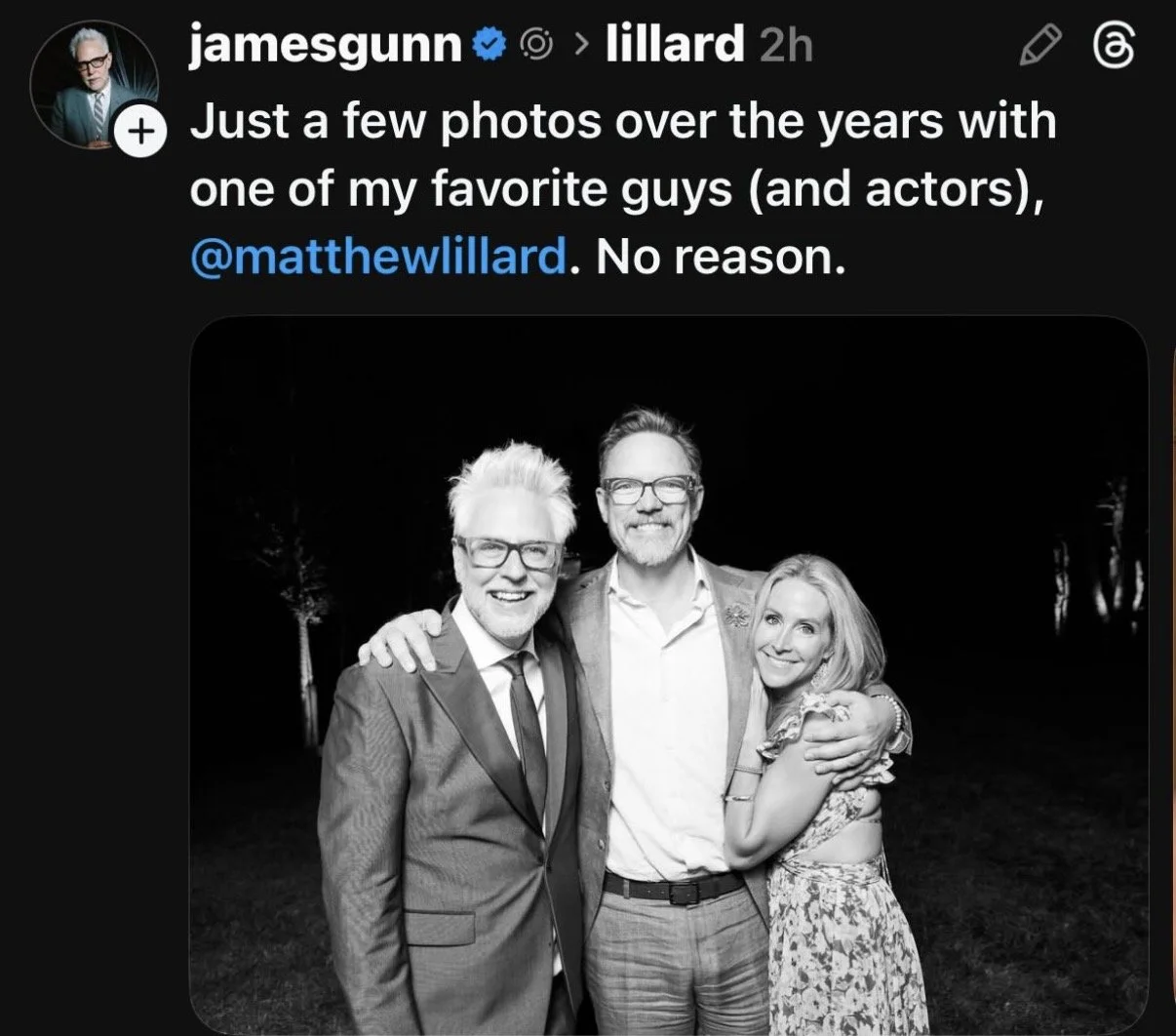
Love this response from James Gunn
So what can we learn from this?
Most of us won’t decide who stars in the next Hollywood blockbuster, but the kind of casual criticism Tarantino made can happen in any workplace.
A senior executive casually says, “I don’t think she’s ready.”
And suddenly, doors quietly close.
A manager offhandedly remarks, “He’s not that impressive.”
And opportunities evaporate.
But on the flip side, a leader who says, “You should really watch what she’s doing — she’s brilliant,” can change the trajectory of someone’s career.
It takes seconds to say something dismissive.
But it can take years for someone to recover from it.
This doesn’t mean you can’t be critical – it means you need to be conscious.
Because when you hold influence — whether you’re a CEO, a director, a founder, or simply someone others listen to — every word you say is a signal.
And a leader’s impact is often felt in the small moments.
The hallway comment.
The meeting aside
The offhand remark in an interview.
Your words can be an invitation — or a barrier.
So choose them carefully.
And remember, they matter.
__________________________________________
Beth Collier loves writing, pop culture, and people who use their power for good.
She also loves helping companies, leaders, and teams improve their communication (and creativity and leadership) through consulting, coaching, and workshops.
Her clients benefit from Beth’s global corporate experience, Midwestern practicality and enthusiasm, and an endless supply of pop culture references.
To find out how Beth can help you become a more confident, creative, and compelling leader – or improve communication in your company – visit www.beth-collier.com or drop her a line at beth@beth-collier.com
_________________________________________